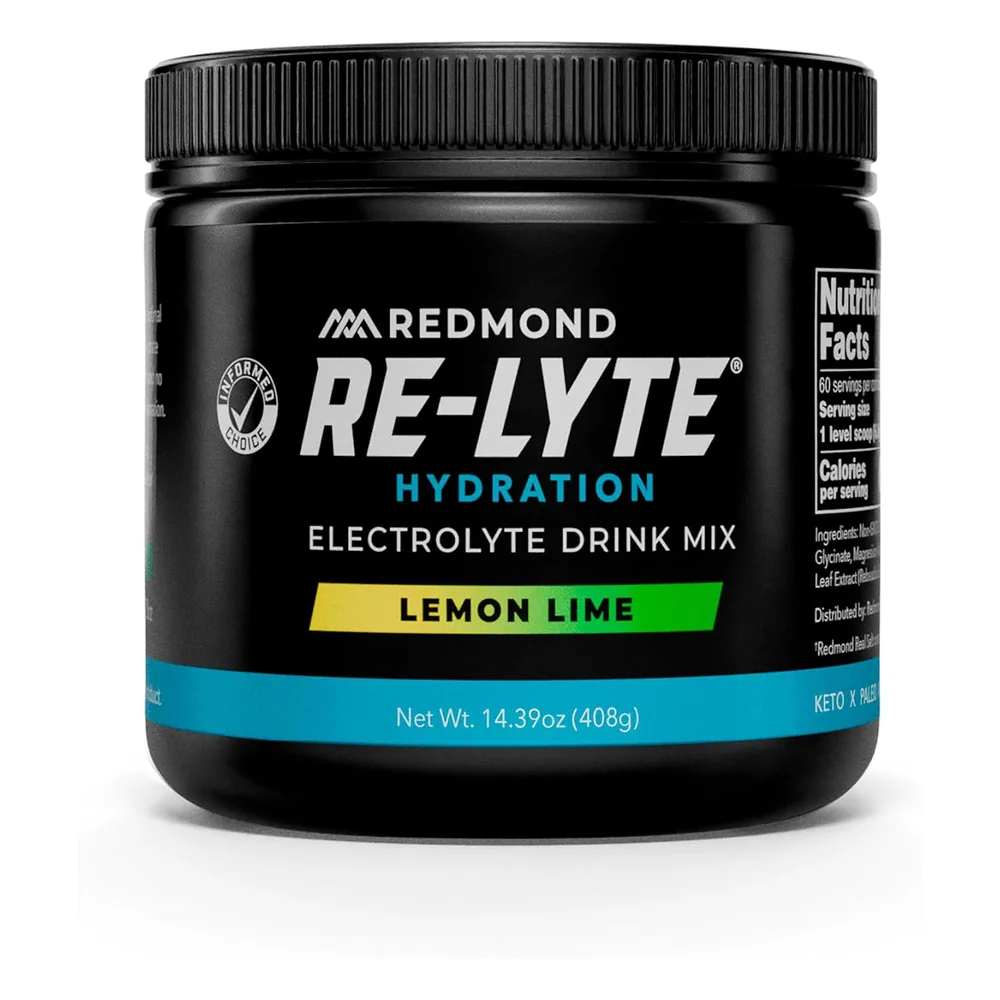
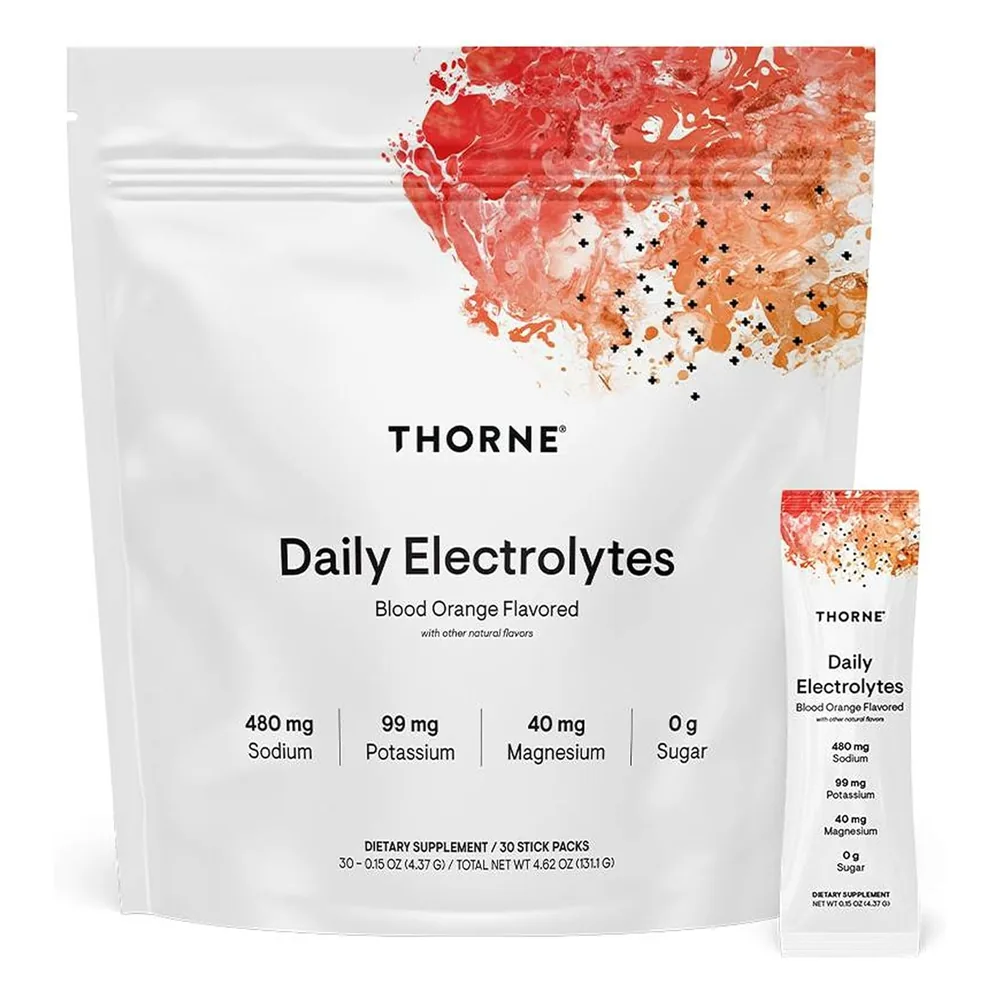
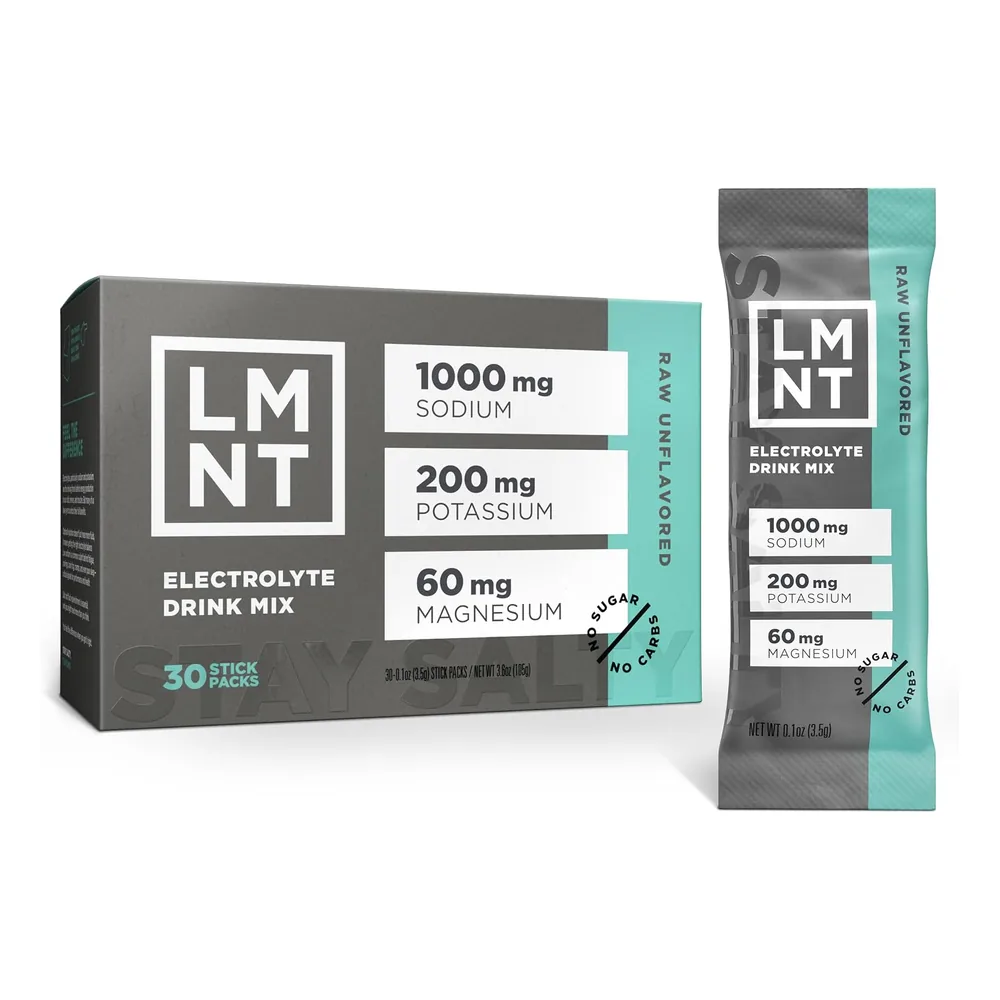
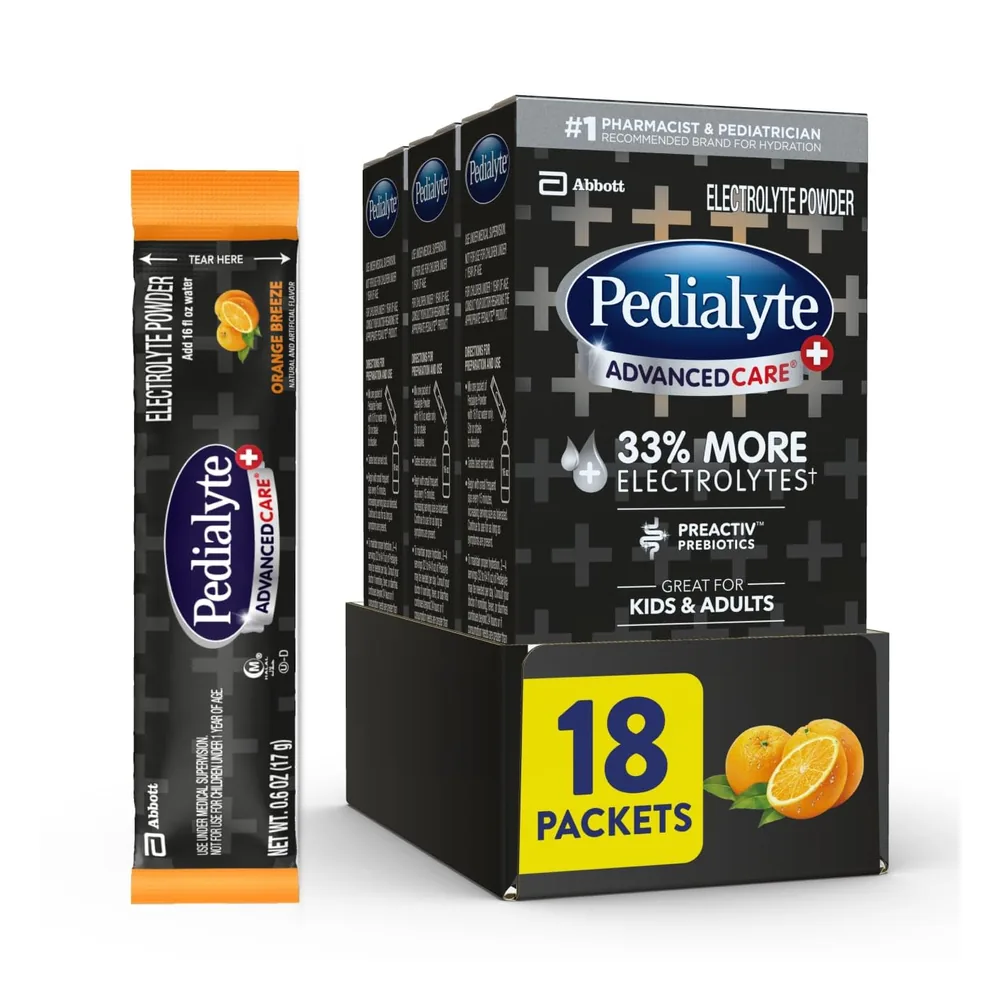
How to choose, in three questions
1. Are you replacing sweat, or just drinking something nice?
This determines almost everything else. Sweat sodium concentration varies widely
from person to person, and sweat rates during hard exercise in heat are far
higher than at rest. Someone doing a long run in summer and someone drinking a
sachet at their desk have needs that differ by an order of magnitude —
which is precisely why a 1,000 mg sodium product and a 55 mg one can
both be sensible purchases.
If you are not sweating heavily, the sodium in these products is largely
redundant. Average sodium intake in the US already sits above the recommended
limit, and almost all of it comes from food rather than supplements.
Two guides go deeper here: how much sodium you actually need, and when to drink electrolytes — including whether you need them on a given day at all.
2. Do you need the calories, or are you paying for them?
Sugar in a rehydration product has a real mechanism behind it: glucose and
sodium share a transporter in the small intestine, and moving them together
draws water across with them. That is the principle oral rehydration therapy is
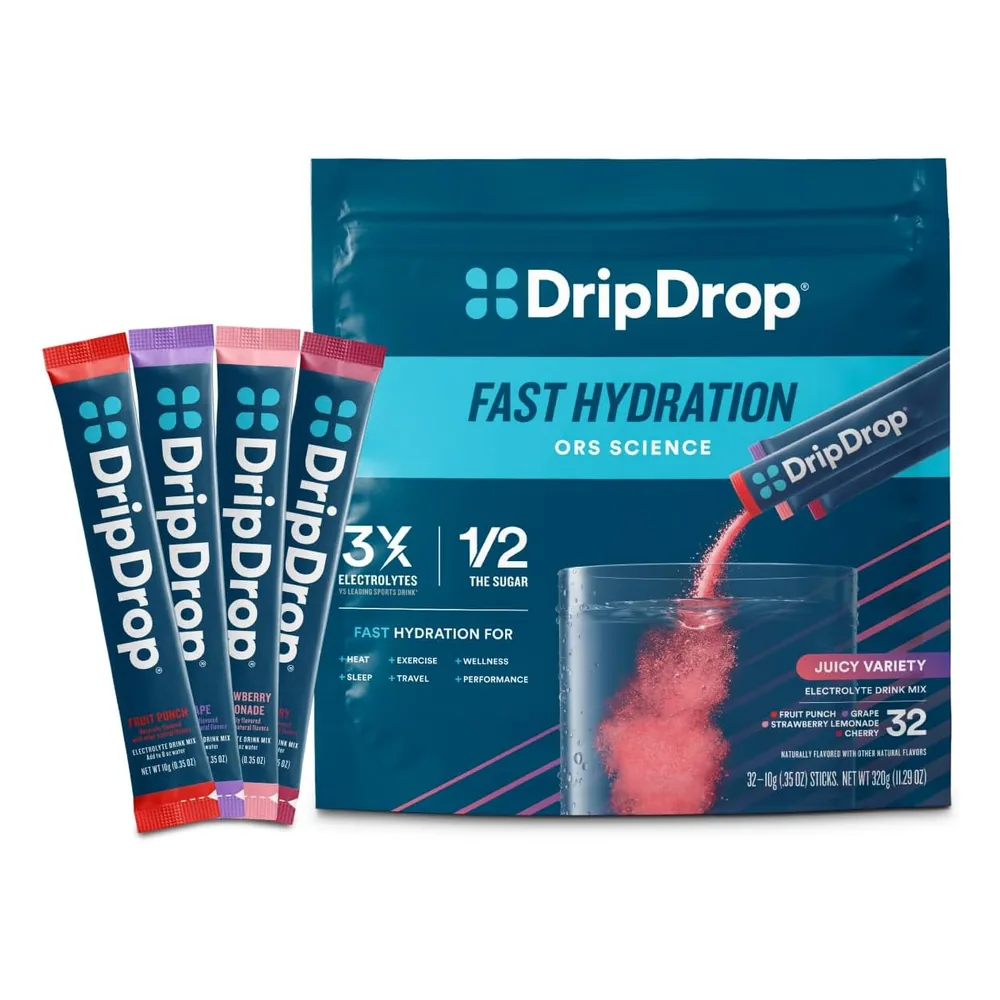
built on, and it is why DripDrop and Pedialyte contain sugar deliberately rather
than as a flavour compromise.
For efforts past roughly ninety minutes, carbohydrate is also fuel, and a
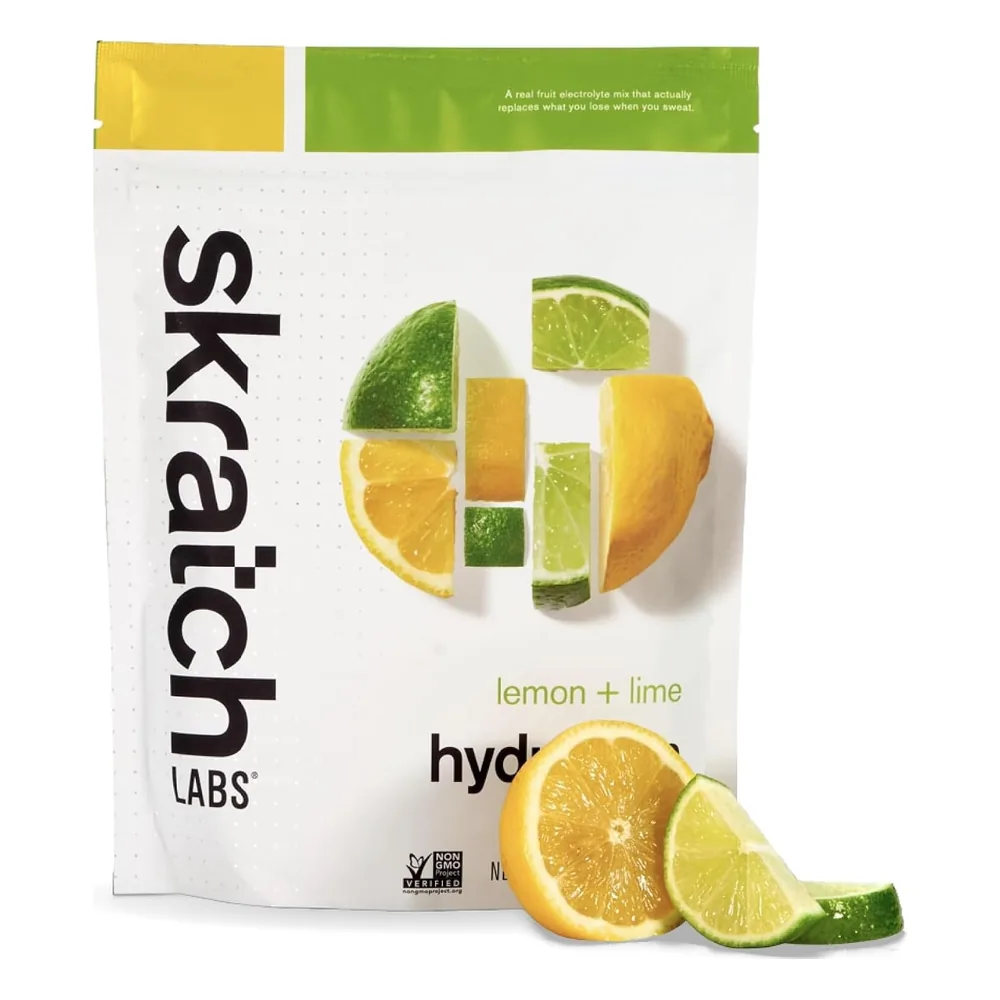
product like Skratch Labs is doing two jobs at once. But if you are drinking it
at a desk, 19 g of sugar is just sugar. Match the format to the situation.
If you are not sure which category you need, what is the best drink to
replace electrolytes walks through the four options by situation, and electrolyte drinks vs sports
drinks covers the carbohydrate question specifically.
3. Does anyone independent check what is in the packet?
Dietary supplements in the United States are not reviewed by the FDA for safety
or effectiveness before they go on sale. Independent certification programmes
— Informed Sport, Informed Choice and NSF Certified for Sport — test
batches for contamination and banned substances.
Very few electrolyte brands carry one. Exactly one product on this list does:
Thorne Daily Electrolytes is NSF Certified for Sport, the strictest of the three — every batch
screened against more than 200 banned substances.
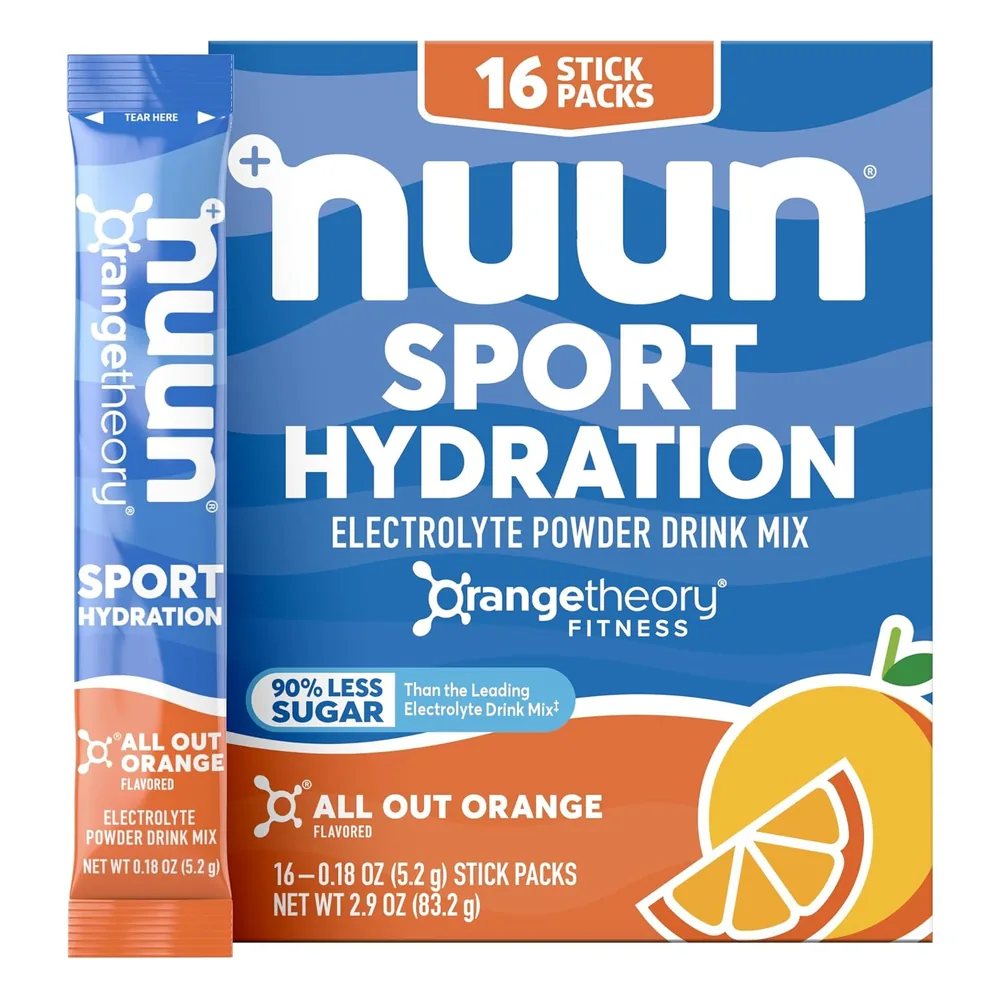
Nuun is the instructive near-miss. Its effervescent tablets are Informed
Choice certified and its separate Podium range is Informed Sport — but we
could not confirm either covers the powder sticks reviewed here, so we do not
claim it for them. Certifying one line and letting the halo spread across a whole
range is common, which is why we check the specific product rather than the brand.
Common questions
What are the best electrolytes?
The four that matter in a drink are sodium, potassium, magnesium and chloride. Sodium is the one you lose most of in sweat and the one these products are really built around — it is why the sodium figure varies twentyfold across this page while the others move far less. Potassium and magnesium are the two most people genuinely under-consume, so a product carrying both is doing something your diet may not. Calcium appears on some panels but you are unlikely to be short of it. There is no single best product, because the right dose depends entirely on whether you are replacing heavy sweat, recovering from illness, or just drinking something flavoured at a desk.
How much sodium should an electrolyte drink have?
It depends entirely on what you are replacing. If you are sitting at a desk, almost none — most people in the US already exceed sodium recommendations through food alone. If you are sweating heavily for an hour or more, sodium losses can be substantial, and sweat sodium concentration varies enormously between individuals. That is the whole reason the products on this page range from 55 mg to 1,000 mg per serving: they are built for different problems, not competing at the same one.
Do I actually need an electrolyte supplement?
Most people, most days, do not. A normal diet supplies more sodium than the recommended limit, and fluid balance takes care of itself. Electrolyte products earn their place in specific situations: prolonged or heavy sweating, hot environments, illness involving vomiting or diarrhoea, and low-carbohydrate diets where sodium losses genuinely increase. Outside those, an electrolyte drink is mostly expensive flavouring.
Why do some electrolyte drinks contain sugar?
In oral rehydration solutions the sugar is functional rather than decorative. Glucose and sodium are absorbed together in the small intestine via a shared transporter, and that co-transport draws water across with them. This is the mechanism oral rehydration therapy is built on. For a drink you are sipping at a desk the sugar has no such job, which is why zero-sugar mixes exist and make sense for daily use.
Are electrolyte powders third-party tested?
Usually not, and this is worth checking rather than assuming. Dietary supplements in the US are not approved by the FDA before sale. Independent programmes like Informed Sport, Informed Choice and NSF Certified for Sport test for contamination and banned substances. Only one product on this page carries one: Thorne Daily Electrolytes is NSF Certified for Sport, the strictest of the three programmes, meaning every batch is screened against a list of over 200 banned substances. Worth knowing about Nuun: its tablets are Informed Choice certified and its Podium line is Informed Sport, but we could not confirm either covers the powder sticks we review here — so we do not claim it. Certifying one line and letting the halo spread across a range is common.
Can you drink too much electrolyte powder?
Yes. Excess sodium is a genuine concern for people with high blood pressure, heart failure or kidney disease, and potassium supplementation can be actively dangerous for people with impaired kidney function or on certain blood pressure medications. Drinking very large volumes of dilute fluid can also lower blood sodium. These products are food rather than medicine, but the doses are not trivial — if you have a relevant condition or take diuretics, ACE inhibitors or potassium-sparing drugs, ask a doctor or pharmacist first.
What is the difference between an electrolyte drink and a sports drink?
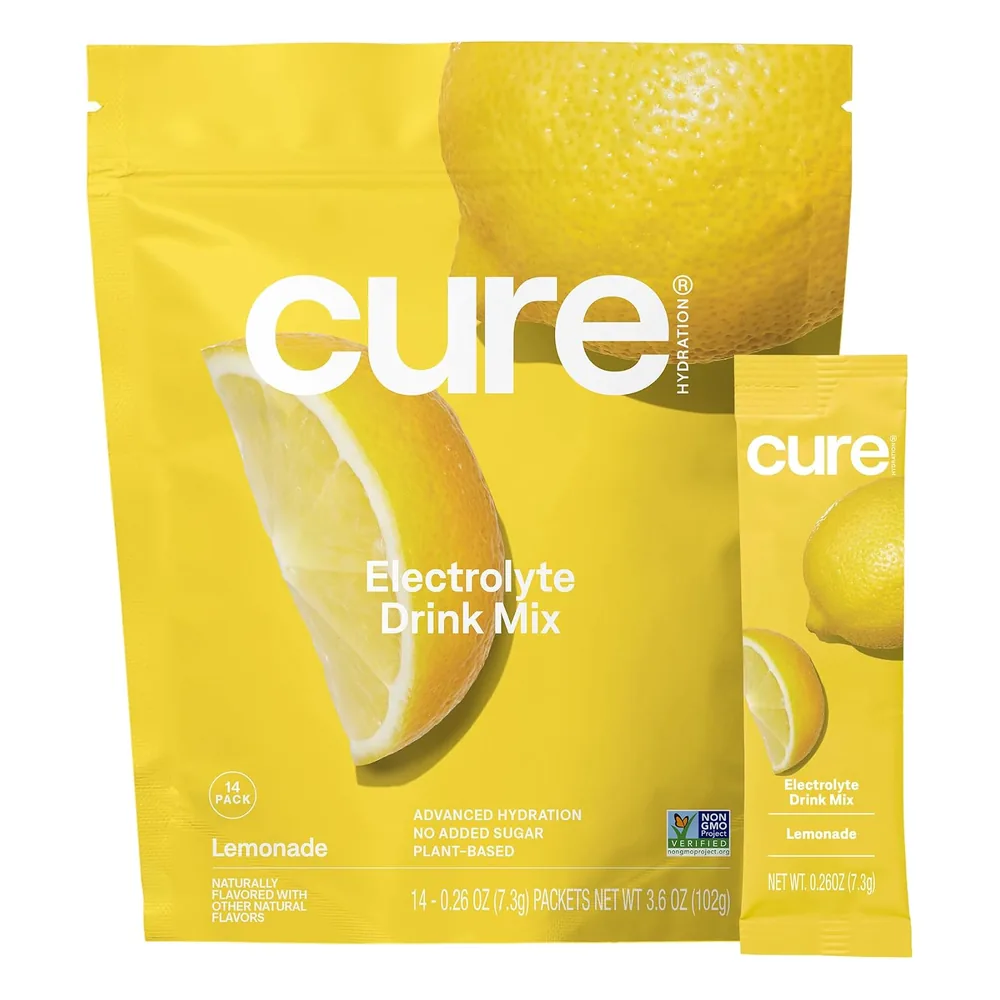
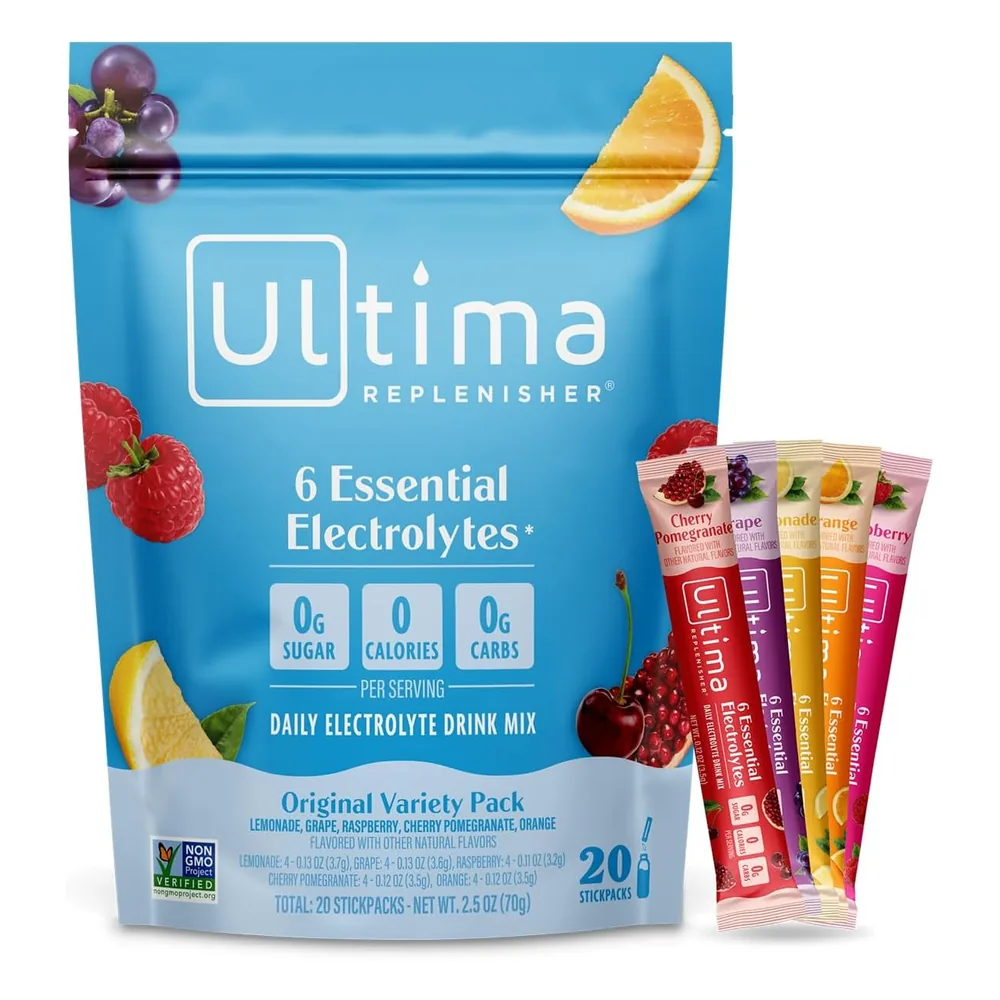
A traditional sports drink is primarily a carbohydrate delivery system with some sodium added; an electrolyte mix is primarily minerals with little or no carbohydrate. Skratch Labs on this list sits deliberately in the first category, with 19 g of sugar acting as fuel. LMNT and Ultima sit firmly in the second. Neither approach is better in the abstract — it depends on whether you need energy alongside your fluid.
Sources and further reading
Product figures come from the manufacturer pages linked on each individual
review. Background on requirements and rehydration physiology:
-
US Food & Drug Administration. Sodium in Your Diet.
-
National Institutes of Health, Office of Dietary Supplements. Potassium: Fact Sheet for Health Professionals.
-
National Institutes of Health, Office of Dietary Supplements. Magnesium: Fact Sheet for Health Professionals.
-
Centers for Disease Control and Prevention. Salt and Sodium.
Before you add sodium or potassium
If you have high blood pressure, heart failure or kidney disease, or you take
diuretics, ACE inhibitors, ARBs or potassium-sparing medication, talk to a
doctor or pharmacist before using these products regularly. Potassium
supplementation in particular can be genuinely unsafe with impaired kidney
function. This page is general information, not medical advice.